Latin Dance Academy

Website Rework

UX/UI Design & Brand Refresh

Independent Project

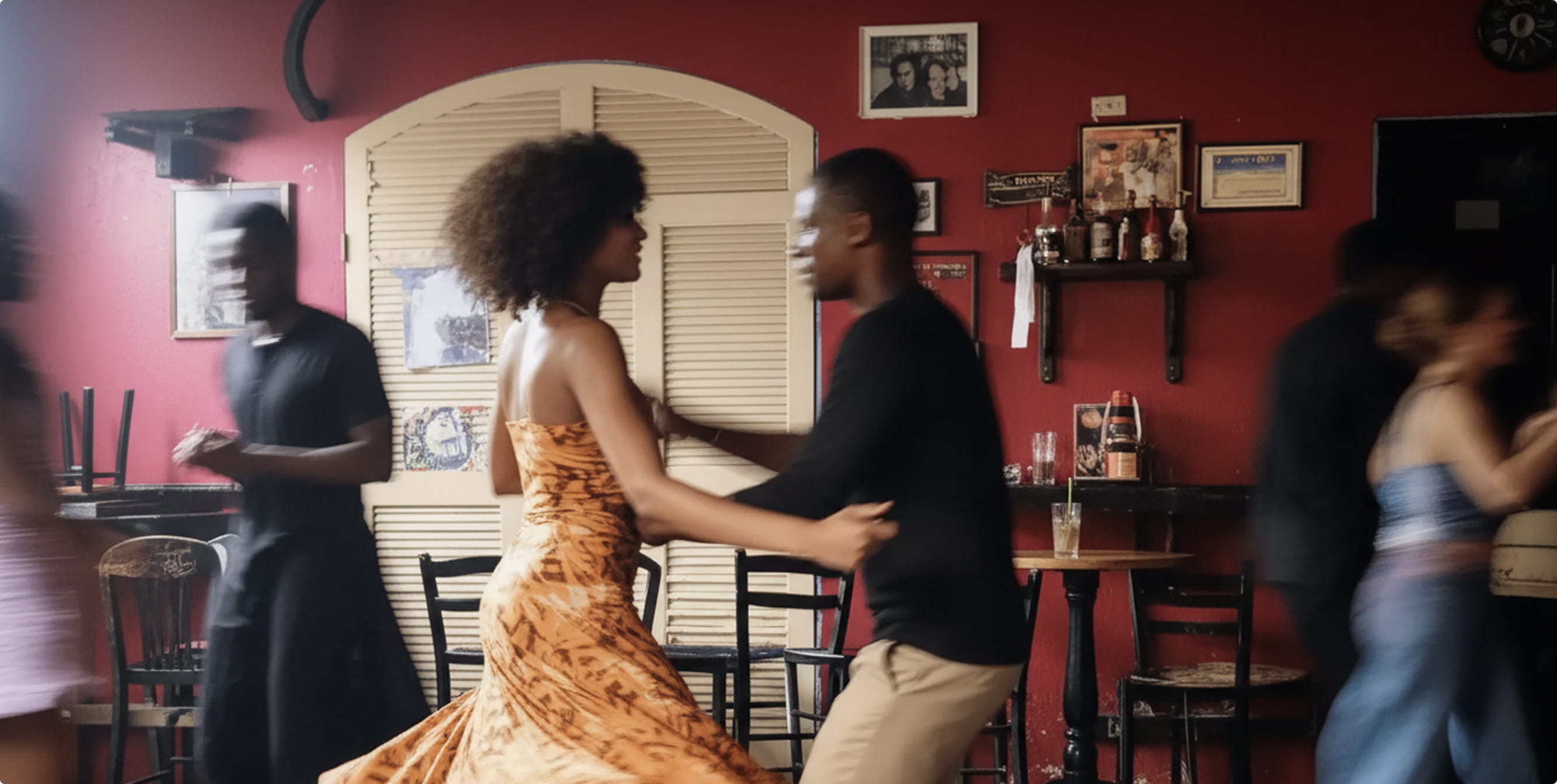
A man and a woman engage in a dynamic dance pose against a colorful mural background.

At a Glance

This project is a comprehensive UX/UI redesign of the Latin Dance Academy (LDA) website. Created as an independent concept for personal development, this initiative allowed me to apply my design skills to a real-world service I use personally. While I have no formal affiliation with LDA, this redesign was conducted with their kind permission to showcase a modern, user-centered approach.


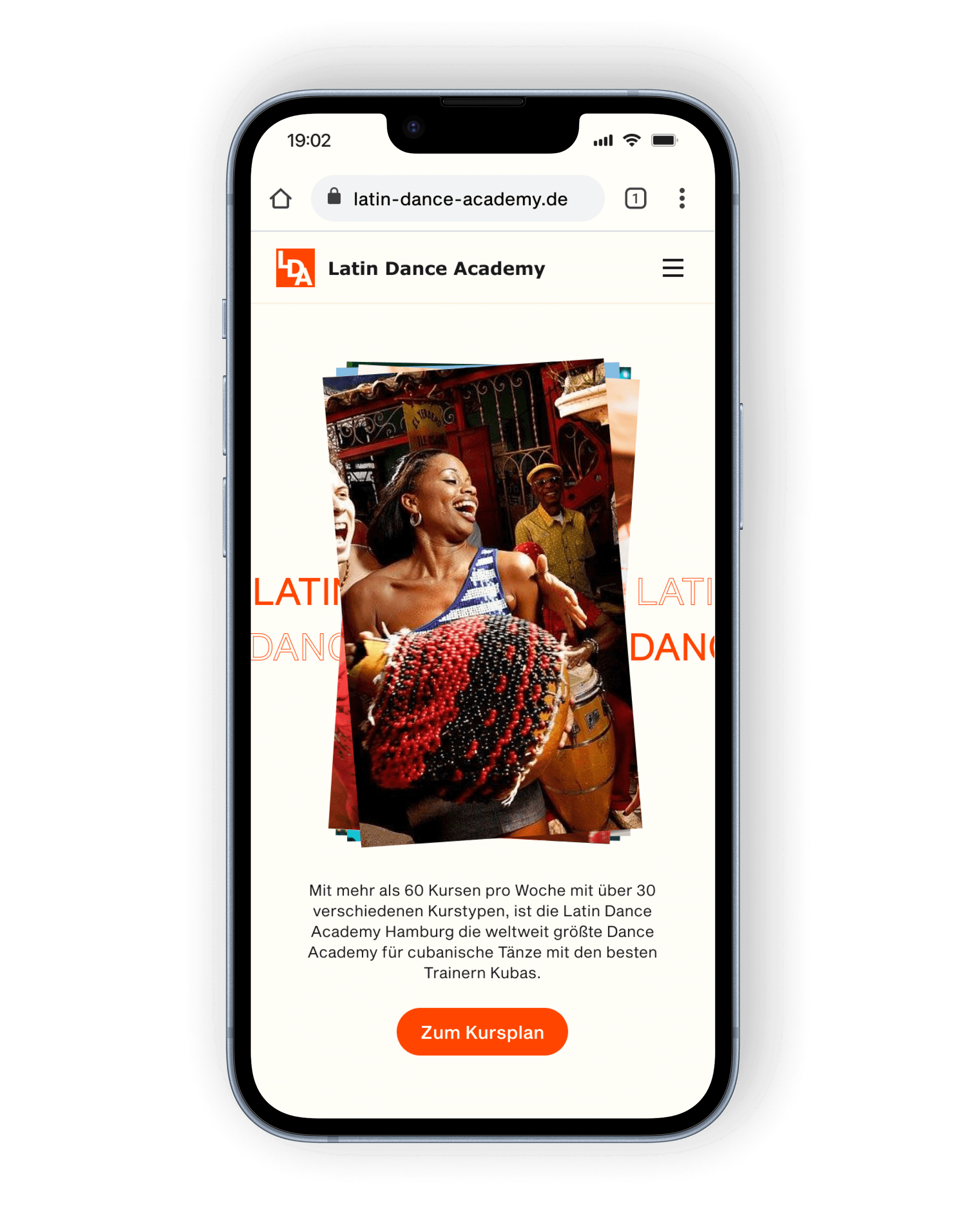
As a frequent dancer at the academy, I noticed friction points in the digital experience. My objective was to transform the platform into an intuitive hub: streamlining course bookings, simplifying information architecture, and ensuring a seamless mobile-first experience that reflects the vibrant energy of the dance floor.

User Research &

Insights

To ground the redesign in real-world data, I conducted a survey targeting two primary user groups: long-term academy members and first-time visitors. The goal was to uncover user goals, identify friction points, and measure overall satisfaction with the current digital experience.

The Experience Gap

Research revealed a significant gap between user groups. First-time visitors struggled with a high cognitive load and fragmented navigation. In contrast, long-term members only rated the site positively due to learned behavior—they had simply memorized the site’s flaws to bypass them. The goal was to eliminate this learning curve for everyone.

The "PDF Barrier" & Information Burial

A major friction point is the reliance on static PDF downloads for schedules, which disrupts the user flow—especially on mobile. Essential information and community links are also buried deep within subpages, requiring excessive scrolling and making quick lookups nearly impossible.

Visual & Brand Disconnect

The survey highlighted a disconnect between the academy’s physical energy and its digital presence. The outdated aesthetic and inconsistent hierarchy fail to reflect the professionalism of the brand. This redesign focuses on closing that gap to ensure the UI matches the vibrant, high-energy atmosphere of the dance floor.
Definition &

Strategy

To bridge the gap between user frustrations and a seamless digital solution, I mapped out the end-to-end user journey. Visualizing the experience through a Customer Journey Map (CJM) allowed me to pinpoint exact moments of friction—such as the frustration of downloading PDFs on mobile—and identify opportunities for emotional "delight" during the booking process. This strategic visualization ensured that every design decision was directly anchored in real user needs and expectations.

Phase 1: Dance school exploration

Phase 2: Class exploration

Phase 3: Class booking

Phase 4: Post-class experience

Before

& After

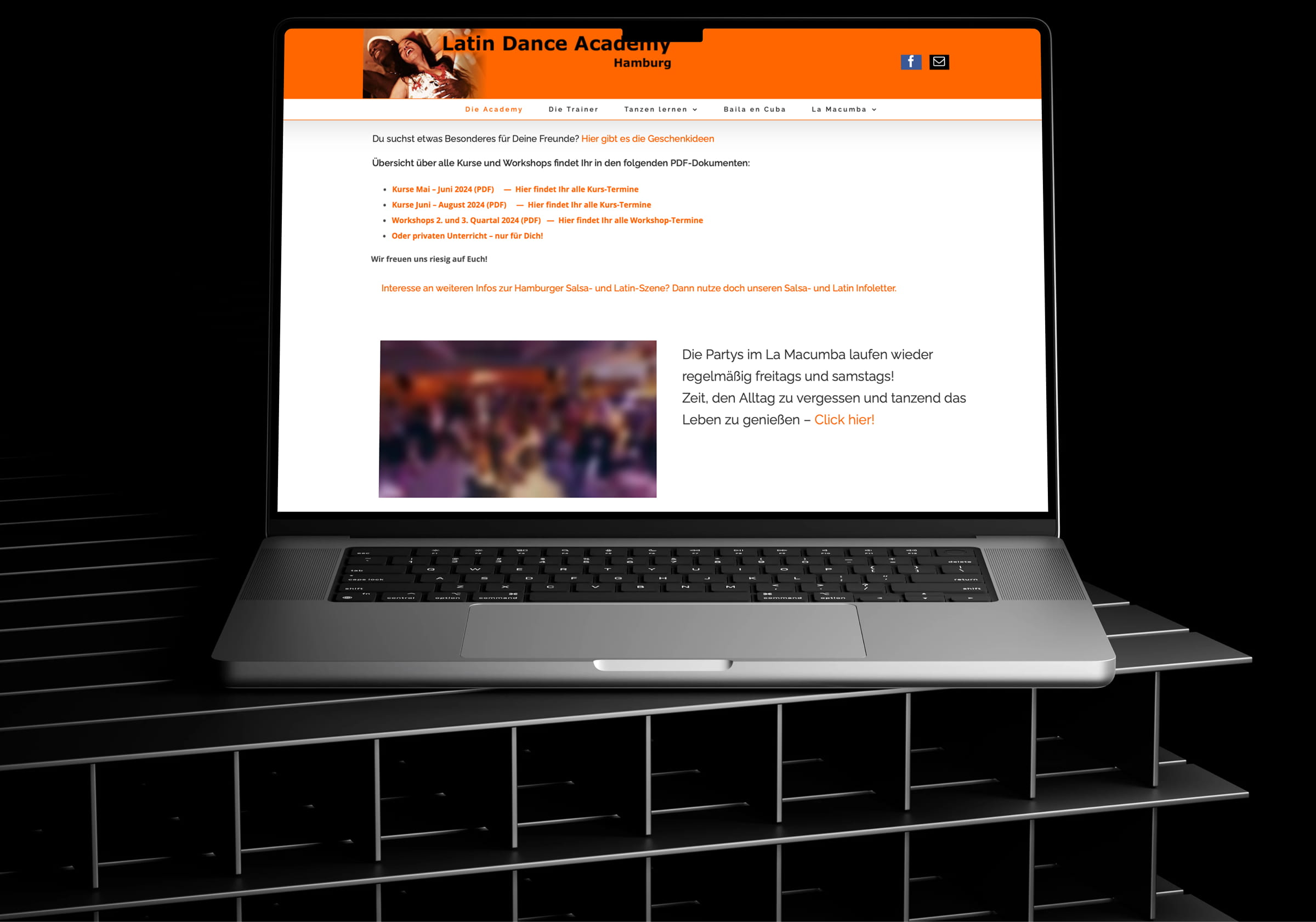
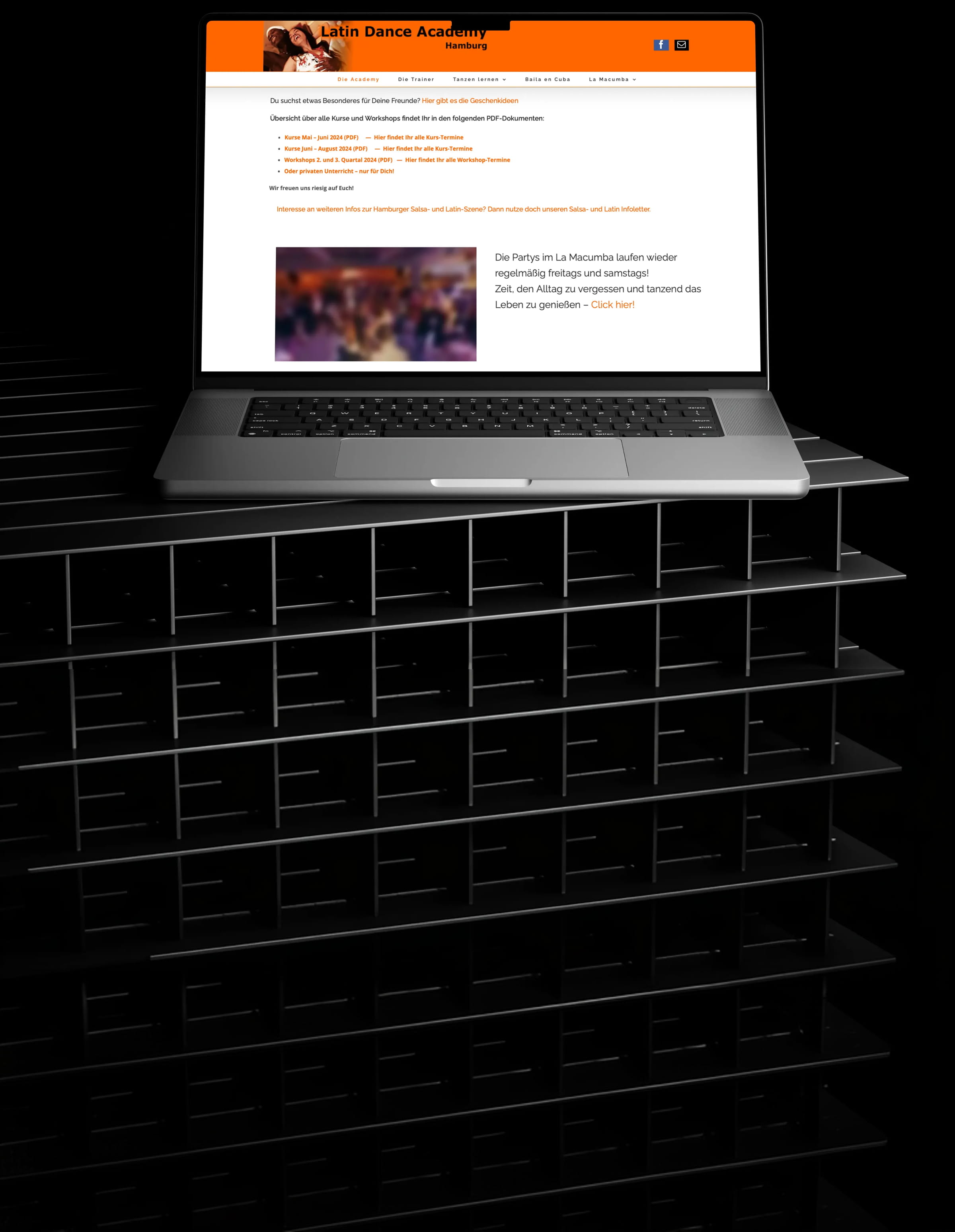
The original site relied on static PDF downloads for schedules, creating major friction—especially on mobile. Essential information and booking tables were buried deep within subpages, requiring excessive scrolling. Navigating multiple PDFs for different timeframes made quick lookups nearly impossible and disrupted the entire user flow.

Mobile-first

experience

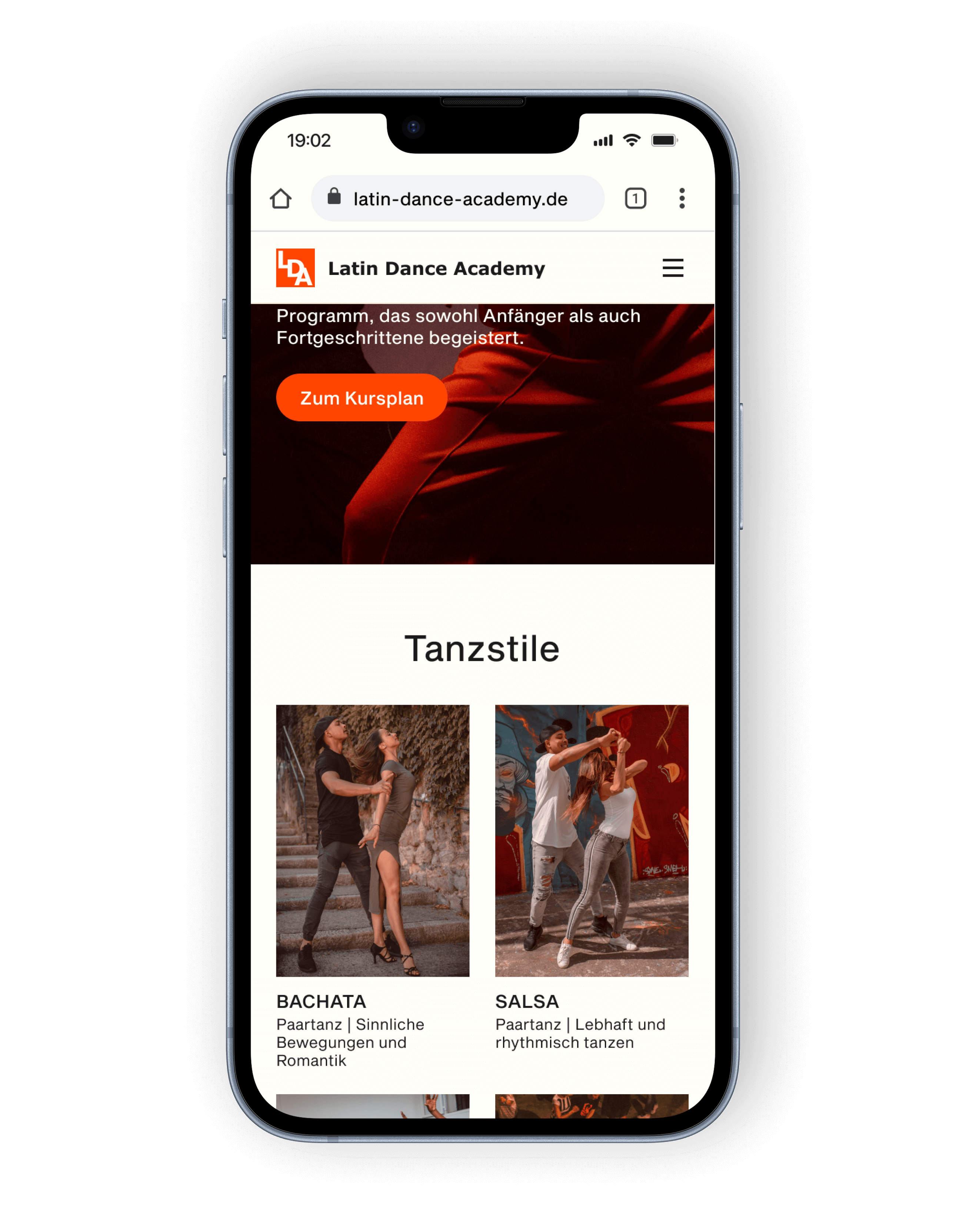
Smartphone screen showing a Latin Dance Academy webpage. It features a header image and a list of different dance styles.
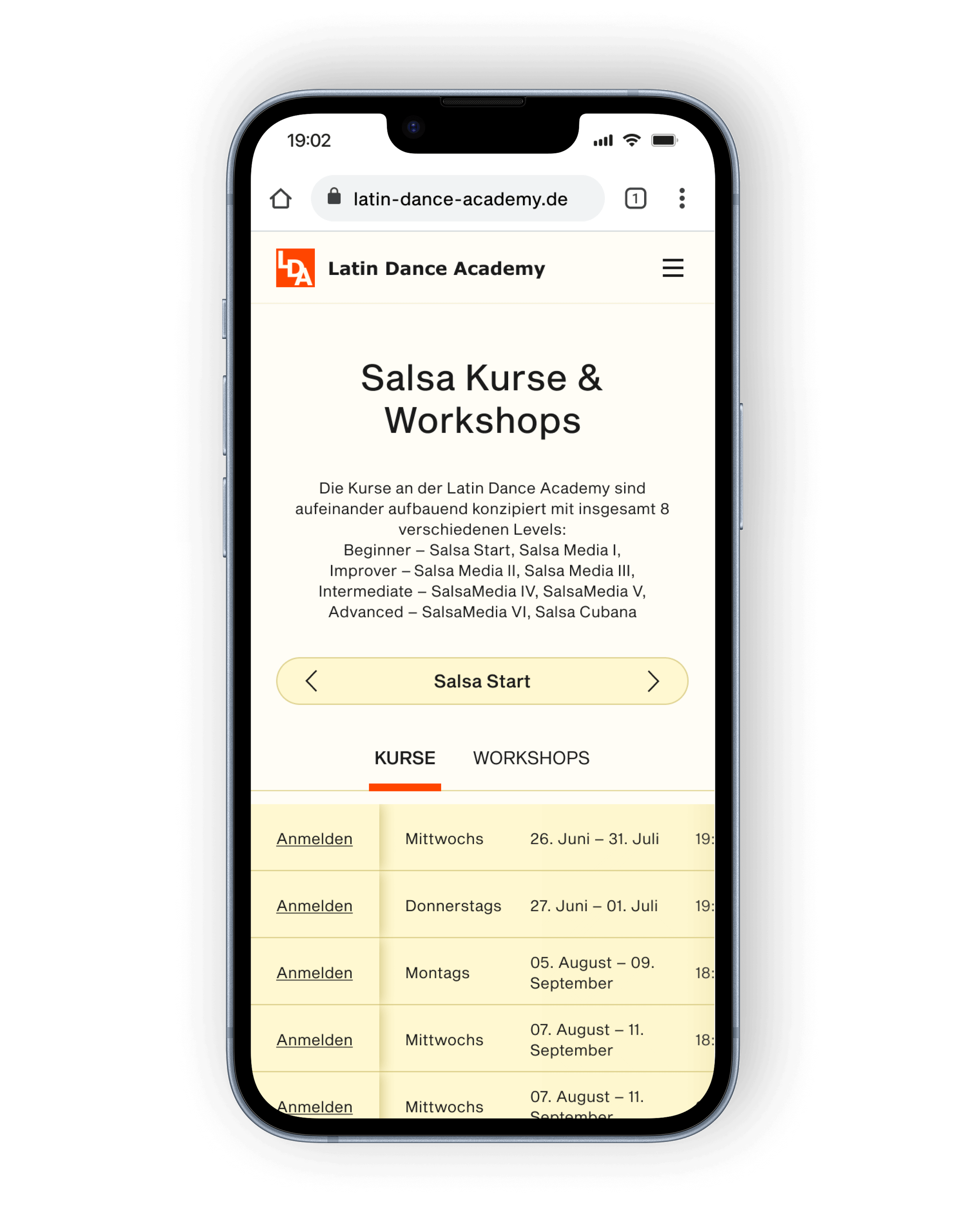
Mobile screen displaying the Latin Dance Academy website. It features salsa courses and workshops with various levels, dates, and registration buttons.
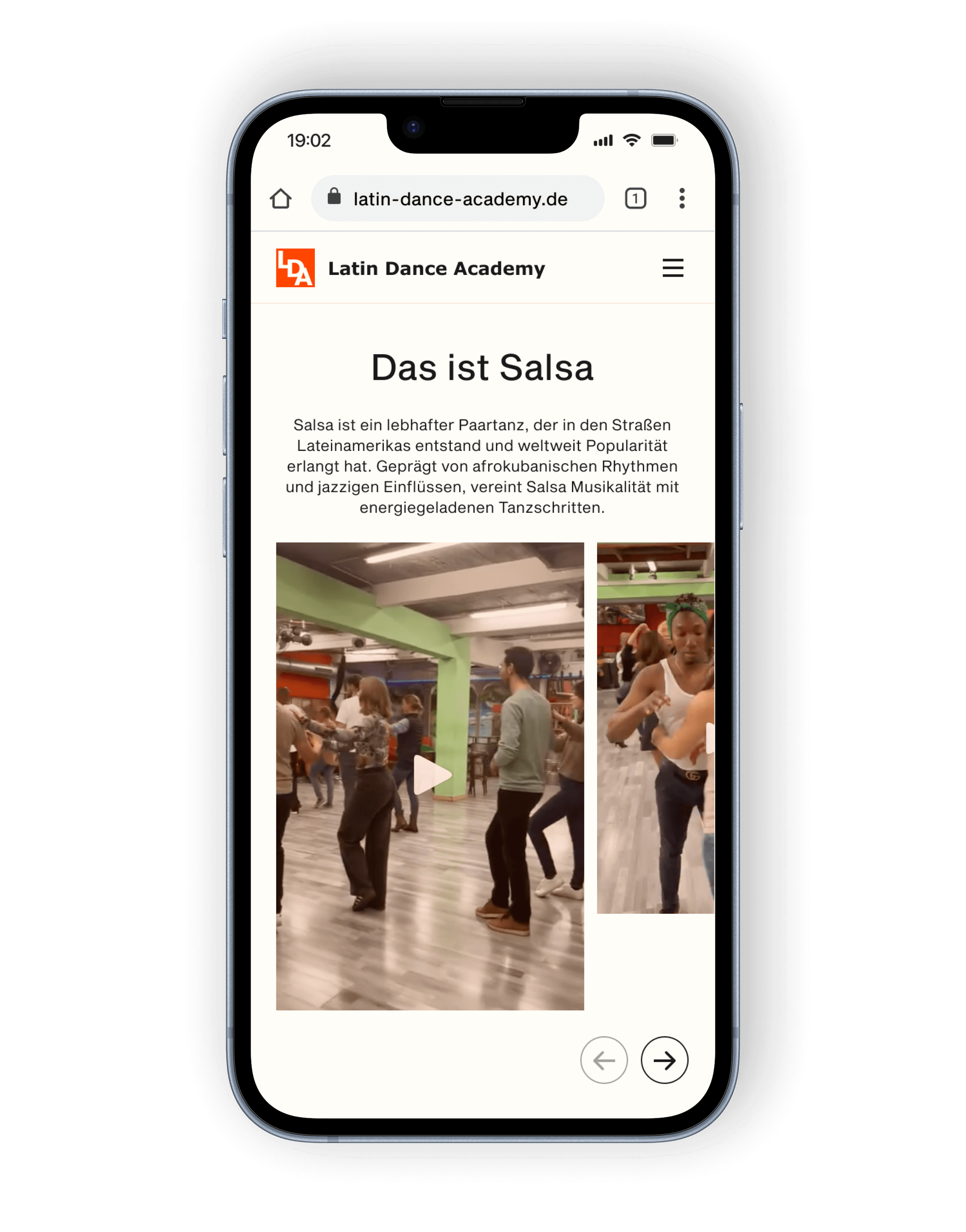
A mobile screen displays a website from the Latin Dance Academy. The text "Das ist Salsa" is visible above a salsa class image showing people dancing in a studio.

Final Reflections

As a designer and long-time member of the Latin Dance Academy, this project was personal. The challenge was to look past my own "learned behaviors" to solve the real frustrations of newcomers.


By replacing static PDFs and fragmented navigation with an integrated, responsive system, I significantly reduced the multi-step journey to find and book a class. This restructuring eliminated "click fatigue" and information burial, creating a user-centered experience that finally reflects the academy’s professional energy. It’s a testament to how deep empathy and a focus on simplicity can transform a community's digital home.

©2026 Ines Noeske

UX/UI Designer creating user-centered digital products

Latin Dance Academy

Website Rework

UX/UI Design & Brand Refresh

·

Independent Project

A man and a woman engage in a dynamic dance pose against a colorful mural background.

At a Glance

This project is a comprehensive UX/UI redesign of the Latin Dance Academy (LDA) website. Created as an independent concept for personal development, this initiative allowed me to apply my design skills to a real-world service I use personally. While I have no formal affiliation with LDA, this redesign was conducted with their kind permission to showcase a modern, user-centered approach.


As a frequent dancer at the academy, I noticed friction points in the digital experience. My objective was to transform the platform into an intuitive hub: streamlining course bookings, simplifying information architecture, and ensuring a seamless mobile-first experience that reflects the vibrant energy of the dance floor.

User Research &

Insights

To ground the redesign in real-world data, I conducted a survey targeting two primary user groups: long-term academy members and first-time visitors. The goal was to uncover user goals, identify friction points, and measure overall satisfaction with the current digital experience.

The Experience Gap

Research revealed a significant gap between user groups. First-time visitors struggled with a high cognitive load and fragmented navigation. In contrast, long-term members only rated the site positively due to learned behavior—they had simply memorized the site’s flaws to bypass them. The goal was to eliminate this learning curve for everyone.

The "PDF Barrier" & Information Burial

A major friction point is the reliance on static PDF downloads for schedules, which disrupts the user flow—especially on mobile. Essential information and community links are also buried deep within subpages, requiring excessive scrolling and making quick lookups nearly impossible.

Visual & Brand Disconnect

The survey highlighted a disconnect between the academy’s physical energy and its digital presence. The outdated aesthetic and inconsistent hierarchy fail to reflect the professionalism of the brand. This redesign focuses on closing that gap to ensure the UI matches the vibrant, high-energy atmosphere of the dance floor.
Definition &

Strategy

To bridge the gap between user frustrations and a seamless digital solution, I mapped out the end-to-end user journey. Visualizing the experience through a Customer Journey Map (CJM) allowed me to pinpoint exact moments of friction—such as the frustration of downloading PDFs on mobile—and identify opportunities for emotional "delight" during the booking process. This strategic visualization ensured that every design decision was directly anchored in real user needs and expectations.

P

Dance school exploration

Class exploration

Class booking

Post-class experience

Action

Read about school qualifications, explore the course structure and duration offered (e.g., 6-week courses, weekend workshops), investigate price ranges.

Browse through the list of available classes and workshops, review any available descriptions, photos or videos of classes and check class schedules and timings to find suitable options.

Navigate to the selected course or workshop and click to register for a specific time, fill out the registration form. Receive a confirmation email, wait for a second email confirming availability, providing payment instructions, and complete the payment.

Connect with instructors or other participants for further engagement. Receive updates on future classes or workshops.

Goal

Evaluate the credibility and reputation of LDA as a provider of Latin dance education. Gather information about course options, duration, and scheduling flexibility.

Gain a clear understanding of what each class offers and what to expect. Find classes that match ones interest, skill level, and personal schedule.

Seamlessly book a desired class or workshop without confusion. Receive clear and timely communication about the booking status and payment instructions.

Stay informed about upcoming classes or events. To reflect on and share feedback about the class experience.

Pain

Complex or unclear navigation that complicates exploration of LDA. Lots of text and extensive scrolling make it difficult to grasp the most important information at a glance. Unattractive visual aesthetics, potentially leading to a bad brand perception.

Users have to navigate through multiple layers to find specific class details. Some lack detailed information about the content and level of the classes, causing uncertainty. No visual timetable for class schedules at first glance; users must download a PDF with listings at first.

Important booking actions and information are often hidden at the end of the page. The two-step email confirmation process is slow, causing uncertainty and anxiety about booking status.

Limited avenues for providing feedback or reviews. Lack of information on upcoming events or news.

Joy

Discovering a broad variety of dance styles. Feeling confident in the expertise and quality of instruction offered.

Finding a class that perfectly matches the user’s interests and schedule.

Registration form requires minimal information and is completed in a single step.

Effortless communication channels for inquiries and clarifications.n on upcoming events or news.

The Transformation:

Before & After

The original site relied on static PDF downloads for schedules, creating major friction—especially on mobile. Essential information and booking tables were buried deep within subpages, requiring excessive scrolling. Navigating multiple PDFs for different timeframes made quick lookups nearly impossible and disrupted the entire user flow.

Mobile-first

experience

Final Reflections

As a designer and long-time member of the Latin Dance Academy, this project was personal. The challenge was to look past my own "learned behaviors" to solve the real frustrations of newcomers.


By replacing static PDFs and fragmented navigation with an integrated, responsive system, I significantly reduced the multi-step journey to find and book a class. This restructuring eliminated "click fatigue" and information burial, creating a user-centered experience that finally reflects the academy’s professional energy. It’s a testament to how deep empathy and a focus on simplicity can transform a community's digital home.

©2026 Ines Noeske

UX/UI Designer creating user-centered digital products

Latin Dance Academy

Website Rework

UX/UI Design & Brand Refresh

·

Independent Project

A man and a woman engage in a dynamic dance pose against a colorful mural background.

At a Glance

This project is a comprehensive UX/UI redesign of the Latin Dance Academy (LDA) website. Created as an independent concept for personal development, this initiative allowed me to apply my design skills to a real-world service I use personally. While I have no formal affiliation with LDA, this redesign was conducted with their kind permission to showcase a modern, user-centered approach.


As a frequent dancer at the academy, I noticed friction points in the digital experience. My objective was to transform the platform into an intuitive hub: streamlining course bookings, simplifying information architecture, and ensuring a seamless mobile-first experience that reflects the vibrant energy of the dance floor.

User Research &

Insights

To ground the redesign in real-world data, I conducted a survey targeting two primary user groups: long-term academy members and first-time visitors. The goal was to uncover user goals, identify friction points, and measure overall satisfaction with the current digital experience.

The Experience Gap

Research revealed a significant gap between user groups. First-time visitors struggled with a high cognitive load and fragmented navigation. In contrast, long-term members only rated the site positively due to learned behavior—they had simply memorized the site’s flaws to bypass them. The goal was to eliminate this learning curve for everyone.

The "PDF Barrier" & Information Burial

A major friction point is the reliance on static PDF downloads for schedules, which disrupts the user flow—especially on mobile. Essential information and community links are also buried deep within subpages, requiring excessive scrolling and making quick lookups nearly impossible.

Visual & Brand Disconnect

The survey highlighted a disconnect between the academy’s physical energy and its digital presence. The outdated aesthetic and inconsistent hierarchy fail to reflect the professionalism of the brand. This redesign focuses on closing that gap to ensure the UI matches the vibrant, high-energy atmosphere of the dance floor.
Definition &

Strategy

To bridge the gap between user frustrations and a seamless digital solution, I mapped out the end-to-end user journey. Visualizing the experience through a Customer Journey Map (CJM) allowed me to pinpoint exact moments of friction—such as the frustration of downloading PDFs on mobile—and identify opportunities for emotional "delight" during the booking process. This strategic visualization ensured that every design decision was directly anchored in real user needs and expectations.

P

Dance school exploration

Class exploration

Class booking

Post-class experience

Action

Read about school qualifications, explore the course structure and duration offered (e.g., 6-week courses, weekend workshops), investigate price ranges.

Browse through the list of available classes and workshops, review any available descriptions, photos or videos of classes and check class schedules and timings to find suitable options.

Navigate to the selected course or workshop and click to register for a specific time, fill out the registration form. Receive a confirmation email, wait for a second email confirming availability, providing payment instructions, and complete the payment.

Connect with instructors or other participants for further engagement. Receive updates on future classes or workshops.

Goal

Evaluate the credibility and reputation of LDA as a provider of Latin dance education. Gather information about course options, duration, and scheduling flexibility.

Gain a clear understanding of what each class offers and what to expect. Find classes that match ones interest, skill level, and personal schedule.

Seamlessly book a desired class or workshop without confusion. Receive clear and timely communication about the booking status and payment instructions.

Stay informed about upcoming classes or events. To reflect on and share feedback about the class experience.

Pain

Complex or unclear navigation that complicates exploration of LDA. Lots of text and extensive scrolling make it difficult to grasp the most important information at a glance. Unattractive visual aesthetics, potentially leading to a bad brand perception.

Users have to navigate through multiple layers to find specific class details. Some lack detailed information about the content and level of the classes, causing uncertainty. No visual timetable for class schedules at first glance; users must download a PDF with listings at first.

Important booking actions and information are often hidden at the end of the page. The two-step email confirmation process is slow, causing uncertainty and anxiety about booking status.

Limited avenues for providing feedback or reviews. Lack of information on upcoming events or news.

Joy

Discovering a broad variety of dance styles. Feeling confident in the expertise and quality of instruction offered.

Finding a class that perfectly matches the user’s interests and schedule.

Registration form requires minimal information and is completed in a single step.

Effortless communication channels for inquiries and clarifications.n on upcoming events or news.

The Transformation:

Before & After

A laptop screen displays a dance class schedule. The webpage shows course names, dates, and a registration link.

The original site relied on static PDF downloads for schedules, creating major friction—especially on mobile. Essential information and booking tables were buried deep within subpages, requiring excessive scrolling. Navigating multiple PDFs for different timeframes made quick lookups nearly impossible and disrupted the entire user flow.

Mobile-first

experience

Final Reflections

As a designer and long-time member of the Latin Dance Academy, this project was personal. The challenge was to look past my own "learned behaviors" to solve the real frustrations of newcomers.


By replacing static PDFs and fragmented navigation with an integrated, responsive system, I significantly reduced the multi-step journey to find and book a class. This restructuring eliminated "click fatigue" and information burial, creating a user-centered experience that finally reflects the academy’s professional energy. It’s a testament to how deep empathy and a focus on simplicity can transform a community's digital home.